
 AlexSmith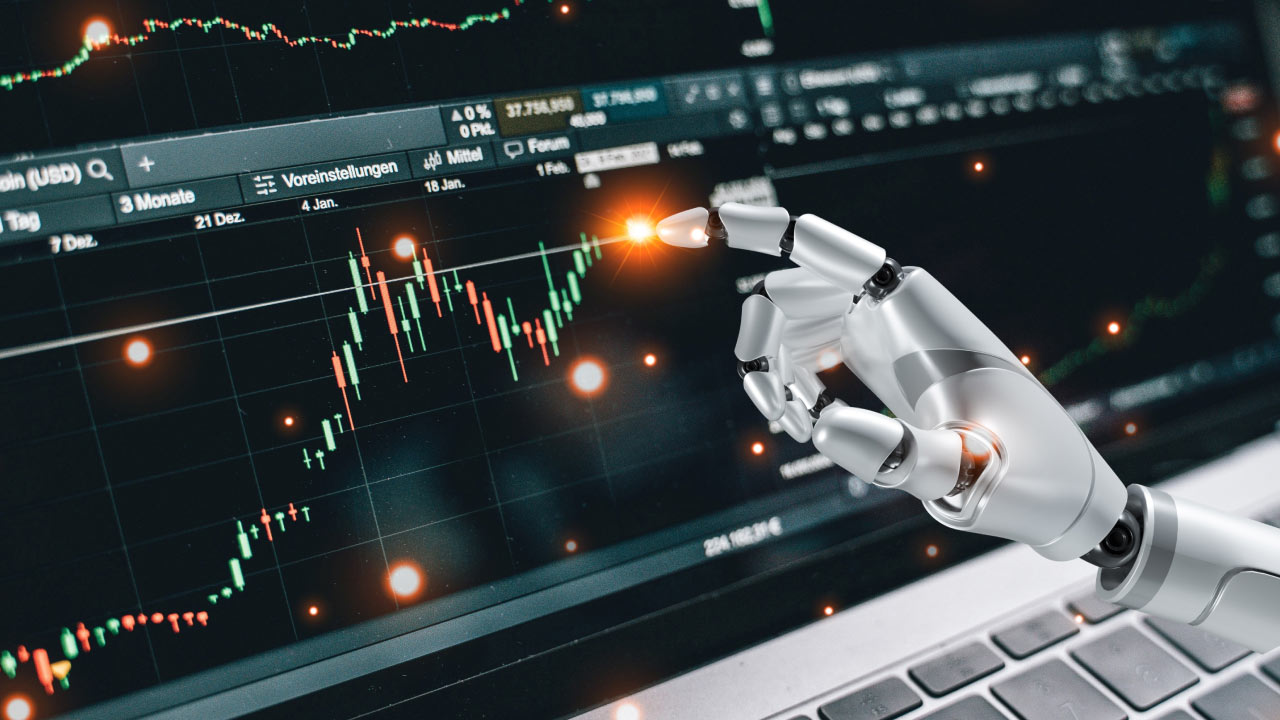
Oil futures trading needs to be carried out effectively and efficiently in a platform that will enable advanced charting, real-time market data, risk management, and execution of orders. Traders like those platforms that have integrated educational resources, demo accounts, and news feeds about what happens in world markets to fluctuate the price of oil. Analytics and custom indicators painting a picture of market trends would be very invaluable on a platform for those traders who follow its correlation with the S&P 500. This instrument enables you to study past price action and do comparisons, hence enabling you to make value decisions. A futures trading platform is important because the speed and precision of trade execution can make a great difference when trading in such a turbulent market as oil futures.
Understanding Oil Futures
Oil futures are standardized contracts that guarantee that traders will have a chance to buy or sell crude oil at a pre-set price on a predetermined future date. Oil futures markets trade on regulated exchanges and therefore offer transparency and liquidity. From geopolitical tensions to OPEC announcements, supply and demand variables, the state of the macroeconomy—each drives the dynamics of oil futures pricing. Of course, an active trader would have to follow such events closely in order to understand how their respective areas are pushing the price movements. It is fairly easy to follow such variables using an appropriate futures trading platform and to execute his or her strategy with high productivity. Another positive aspect of futures is that they are leveraged, meaning a trader can buy large positions with relatively small capital and thus maximize profit potential but at increased risk.
S&P 500 Correlations in Oil Trading
Indeed, the various kinds of relationships that may be developed between oil futures and the S&P 500 would provide more insight into the markets for the trader. For example, the historical price of oil and the S&P 500 index can range from positive to negative, depending on influences from the macroeconomic markets, including inflation, interest rates, and general market sentiment. Positive correlations might be experienced in periods of growth when rising oil prices reflect higher demand and, by association, are linked with bullish equity markets. On the contrary, slowdowns will find negative correlations when high oil prices hurt the earnings of corporations and dampen investors' attitudes. These tendencies can be analyzed through a qualified future trading platform that will help traders build hedging strategies, enhance the timing of entry and exit, and better forecast future market movement in oil and equities. The ability to keep track of the S&P 500 forecast and tendencies of oil prices helps traders build more holistic strategies by considering wider expectations.
Advantages of Using a Futures Trading Platform
A good futures trading platform enhances decision-making and execution in several ways. First is the real-time tracking of prices and advanced charting tools that enable traders to find important levels of support and resistance, along with the direction of the trend. Second, integrated analytics also help to evaluate correlations with other markets, like the S&P 500, for a broader perspective on how to position in the market. Thirdly, automated alerts and order execution features limit missed opportunities and emotional decisions to trade. Lastly, access to historical data, news feeds, and economic calendars keeps traders informed about those factors influencing oil futures and its equities. All in all, a high-quality platform smoothes the workflow, reduces operational risk, and lets strategic, more informed trading decisions be made.
Conclusion
Trading oil futures in regard to their correlations with the S&P 500 brings a special set of insights into the behavior of the markets and possible trading opportunities. The best futures trading platform ensures access to the tools, data, and analytics necessary for traders to understand both the oil market and its greater connectivity with equity indices. In such a case, the trader will be in a better position to incorporate technical analysis, current data, and correlation studies to provide a proper S&P 500 forecast while planning risk management and increasing profitable trading opportunities. For that reason, an investment in the right type of trading platform would represent one of the major steps toward trading in oil futures, considering greater market insight in refining their strategy and optimizing their performance.