
 AsimAli
 Shipping a vehicle internationally involves more than moving it from one country to another. Once a vehicle arrives at its destination, several important steps must take place before the owner can legally collect and drive it. Understanding what happens after Car shipping from UK to Tanzania helps vehicle owners prepare for customs clearance, import duties, inspections, registration, and final delivery.
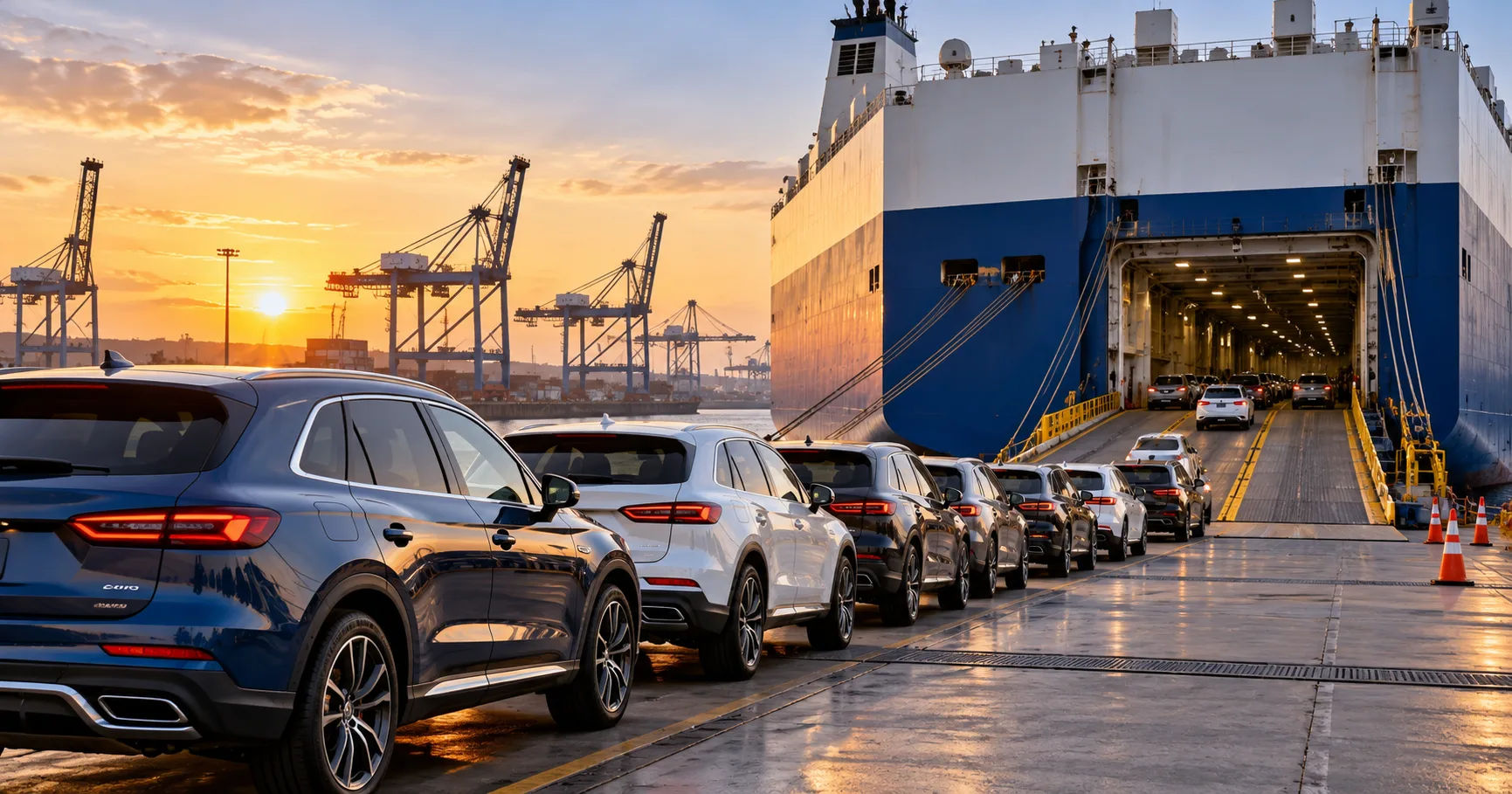
Tanzania has specific requirements for importing vehicles, and the process can feel complicated if you are unfamiliar with local procedures. Whether you are importing a family car, a used vehicle, or a vehicle for business purposes, knowing what to expect after arrival can help you avoid unnecessary delays and expenses.
This comprehensive guide explains the stages that follow a vehicle's arrival in Tanzania, the documents you may need, the role of customs authorities, and how to prepare your car for collection and registration.
The Vehicle Arrival Process in Tanzania
When a vehicle arrives in Tanzania, it usually goes through a structured process involving the shipping company, port authorities, customs officials, and relevant inspection agencies. The exact procedure depends on the shipping method, port of arrival, vehicle type, and import requirements applicable to the shipment.
Most vehicles shipped from the UK arrive through the Port of Dar es Salaam, Tanzania's principal seaport. Other arrangements may be possible depending on the destination and shipping route.
Receiving the Arrival Notification
The first step usually occurs when the shipping company or freight forwarder confirms that the vehicle has arrived. You may receive an arrival notice containing information about the vessel, estimated availability, shipping documents, and the next steps.
This notification is important because it helps you coordinate customs clearance and prepare the required paperwork. It may also identify the charges that need to be settled before the vehicle can be released.
Read the notice carefully and contact your shipping agent if any details are unclear. Incorrect information about the vehicle, consignee, or shipment reference could delay the process.
Unloading and Moving the Vehicle to Storage
After the vessel reaches the port, the vehicle is unloaded and moved to an assigned terminal or holding area. Port personnel record its arrival and handle it according to the applicable cargo procedures.
The vehicle may remain in the port area while customs documentation is reviewed and inspections are arranged. It cannot normally be collected for ordinary road use simply because it has arrived.
Storage arrangements and free-time allowances vary by carrier and terminal. Ask your shipping company how long the vehicle can remain at the port without additional storage charges.
Customs Clearance After Car Shipping from UK to Tanzania
Customs clearance is one of the most important stages of the import process. Tanzanian authorities need to establish the vehicle's identity, assess its customs value, determine the applicable taxes, and confirm that it meets the country's import requirements.
Submitting the Required Documents
The importer or appointed clearing agent must prepare the documents required for the shipment. Requirements can vary according to the vehicle, import arrangement, and current regulations.
Commonly requested documents include:
-
Original bill of lading or the appropriate shipping release documentation.
-
Vehicle registration or ownership documents from the UK.
-
Commercial invoice or purchase receipt, where applicable.
-
Import declaration and customs documentation.
-
Identification documents for the importer.
-
Relevant inspection, valuation, or compliance certificates.
-
Any additional permits required for the particular vehicle.
A bill of lading is an important shipping document that records details of the transported cargo. Depending on the shipping arrangement, the carrier may require an original document, an endorsed document, or an approved electronic release.
Before shipping, ask your freight forwarder and Tanzanian clearing agent to confirm the precise document requirements. Preparing the paperwork early can prevent avoidable delays once the car arrives.
Customs Valuation and Import Taxes
Customs officials assess the vehicle's value to determine the duties and taxes payable. The assessment may consider the vehicle's purchase price, freight charges, insurance, and the valuation rules applicable under Tanzanian customs procedures.
Do not assume that taxes will be calculated only on the price shown on the purchase receipt. Customs authorities may apply their own valuation methods when determining the appropriate taxable amount.
Depending on the vehicle and current legislation, charges may include customs import duty, value-added tax, excise duty, and other applicable levies or fees. The rates and exemptions can differ according to vehicle specifications, engine characteristics, age, customs classification, and the importer's circumstances.
For this reason, obtaining a written estimate from a qualified clearing agent before arranging Car shipping from UK to Tanzania is a sensible way to manage your budget.
Paying the Assessed Charges
Once customs authorities determine the applicable charges, the importer must arrange payment through the approved procedures.
Keep copies of official payment receipts and customs assessment documents. These records help demonstrate that the relevant obligations have been met and may be needed during subsequent release or registration procedures.
If you disagree with an assessment, ask your clearing agent to explain the calculation and the available procedures for raising a query. Avoid making unofficial payments or relying on verbal promises that a vehicle can be released without the required documentation.
Vehicle Inspections and Compliance Checks
Customs clearance is not necessarily the only requirement before a vehicle can be released. Depending on the applicable rules, the car may also need inspection or verification to establish that it complies with Tanzanian import and road-safety requirements.
Checking the Vehicle's Identity
Authorities or authorised inspection personnel may check the vehicle identification number (VIN), chassis number, engine details, make, model, and other identifying information.
These details should match the accompanying paperwork. If the documents contain inconsistent numbers or incorrect vehicle specifications, the importer may need to provide additional evidence or correct the records.
Before shipping, compare the vehicle's identification details against the registration documents and purchase paperwork. Resolving discrepancies in the UK is generally easier than dealing with them after the vehicle has arrived.
Roadworthiness and Import Compliance
The applicable inspection requirements depend on the vehicle category and the regulations in force at the time of importation.
Checks may involve vehicle condition, safety-related components, emissions requirements, or other compliance matters where required. Certain imported vehicles may also be subject to pre-shipment inspection or conformity procedures arranged before departure from the UK.
Importers should not assume that every vehicle follows an identical inspection process. Confirm the current requirements with the relevant Tanzanian authorities or an authorised inspection provider before shipping.
If an inspection identifies a problem, the vehicle may require further documentation, repairs, or another assessment before the process can continue. Any additional work can increase the total cost and collection time.
How Long Does the Process Take?
The time required after arrival varies considerably. A straightforward shipment with complete paperwork and promptly paid charges may progress more quickly than a shipment requiring additional verification or inspection.
Several factors influence the timeline.
Customs Processing Time
Customs processing depends on the completeness of the declaration, the workload at the port, the complexity of the valuation, and whether officials request additional information.
Missing documents, incorrect declarations, or questions about the vehicle's value can delay clearance. Working with an experienced clearing agent can help you identify and address these issues earlier.
Inspection and Release Scheduling
Inspection appointments, terminal operations, and carrier release procedures can also affect how quickly the vehicle becomes available.
Even after customs requirements have been satisfied, the importer may need to complete outstanding terminal formalities and obtain the necessary release authorisation.
Registration and Number Plates
Once the vehicle has been cleared and released, additional time may be needed to complete the applicable registration and licensing requirements.
The vehicle should not be driven on public roads until it has met the relevant legal requirements. Ask the responsible registration authority which documents and inspections are necessary for your particular vehicle.
Rather than relying on a fixed delivery promise, request an estimated timeline from your clearing agent and allow extra time for unexpected issues.
Collecting Your Vehicle from the Port
After the required customs payments, inspections, and release formalities have been completed, you can arrange to collect the vehicle or organise transport to another location.
Obtaining the Release Documents
Before collection, confirm that all relevant release authorisations have been issued. Depending on the arrangements, you may need evidence of customs clearance, carrier release, terminal payment, and identification.
Your clearing agent or shipping company should explain which documents must be presented and whether an appointment is necessary.
Do not arrange a collection vehicle or driver until you have confirmation that the car is actually available for release. This can help prevent wasted trips and additional transport expenses.
Inspecting the Car Before Leaving
Examine the vehicle carefully before signing the final collection paperwork.
Check the bodywork, windows, lights, wheels, interior, and other accessible components. Compare the vehicle's condition with photographs taken before shipping.
If you notice damage or missing items, record the issue immediately and notify the terminal, shipping company, or relevant representative. Take clear photographs and retain copies of any inspection reports.
Prompt reporting is important because the process for submitting a damage claim may depend on the shipping contract and applicable deadlines.
Arranging Transport to Your Destination
If you live outside Dar es Salaam, you may need to arrange onward transport to your home or business. Depending on the vehicle's legal status and condition, this may involve a suitable transporter rather than driving it yourself.
Discuss the route, delivery charges, insurance arrangements, and estimated arrival date with the transport provider. Confirm who is responsible for the vehicle while it is being moved.
Registering and Insuring the Imported Vehicle
Port release does not automatically mean that the vehicle is ready for everyday use. Registration, licensing, and insurance requirements must also be addressed.
Completing Vehicle Registration
The relevant Tanzanian registration authority will determine the documentation and procedures required to register the imported vehicle.
These may include customs clearance evidence, ownership documents, vehicle identification details, inspection records where applicable, and payment of the relevant registration or licensing charges.
The vehicle's specifications and import status can affect the process. Confirm the current requirements directly with the responsible authority rather than assuming that registration procedures are identical for all imported cars.
Once the applicable conditions have been satisfied, the vehicle can receive the required registration documentation and number plates.
Arranging Appropriate Insurance
Before using the vehicle on public roads, arrange the insurance coverage required by Tanzanian law.
The type of policy you choose may depend on how the vehicle will be used, its value, and your preferred level of protection. Third-party liability insurance and broader comprehensive cover serve different purposes, so review the terms carefully.
Check when the policy begins, what exclusions apply, and whether the vehicle is covered during any necessary onward transport.
Insurance is particularly important for a newly imported vehicle because repair costs, replacement parts, and specialist servicing may be expensive.
Common Problems After Car Shipping from UK to Tanzania
Although many shipments proceed without major complications, importers should be prepared for a few common challenges.
Missing or Incorrect Paperwork
Documentation errors can prevent customs officials from completing their checks. Common examples include inconsistent vehicle identification numbers, incomplete ownership records, and incorrect information on shipping documents.
The best prevention is to review every document before the vehicle leaves the UK and keep digital and printed copies available.
Unexpected Duties and Fees
Importers sometimes budget only for the purchase price and shipping charges. However, customs taxes, port handling, clearing-agent fees, inspections, storage, and inland transport can increase the final cost.
Ask for an itemised estimate that distinguishes taxes from service charges. Clarify which expenses are estimates and which have already been confirmed.
Port Storage Charges
Storage charges may arise when a vehicle remains at the terminal beyond the applicable free period. Delays in submitting documents or arranging payment can increase these expenses.
Contact your clearing agent before arrival, prepare the paperwork early, and respond quickly to requests for additional information.
Vehicle Damage or Technical Issues
A vehicle may require repairs after arrival, whether because of pre-existing mechanical problems or damage discovered during collection.
Photographing the vehicle before shipment and inspecting it immediately after release creates a useful record. If repairs are necessary, obtain a reliable assessment before authorising expensive work.
Import Eligibility Concerns
A vehicle that can legally be purchased in the UK is not automatically eligible for import into Tanzania. Vehicle age, category, technical compliance, and current import rules may affect eligibility or the applicable charges.
Verify these requirements before paying for a vehicle or booking shipping. This is especially important when importing older vehicles or models with unusual specifications.
How to Make the Process Easier
A little preparation can make the period after arrival much more manageable.
First, choose a shipping company and clearing agent with experience handling vehicles destined for Tanzania. Ask about their responsibilities, fees, communication process, and experience with your vehicle type.
Second, obtain a realistic estimate of the total landed cost. Include shipping, insurance, customs duties, taxes, inspection fees, port charges, clearing services, registration, and inland transport where applicable.
Third, keep your documents organised. Store copies of the purchase invoice, ownership documents, shipping paperwork, payment receipts, and correspondence in one place.
Fourth, maintain regular communication with your clearing agent. Request updates when the vessel arrives, when customs processing begins, when inspections are completed, and when the vehicle becomes available for collection.
Finally, avoid making non-refundable commitments based on an unconfirmed release date. A flexible collection plan gives you more room to handle unexpected delays.
Understanding the Total Cost After Arrival
The final cost of importing a vehicle includes more than the amount paid to transport it across the sea.
A useful way to calculate your budget is to separate the expenses into three categories.
Government Charges
These include applicable customs duties, taxes, and official registration or licensing fees. The exact amount depends on the vehicle and the rules in force when it is imported.
Port and Service Charges
These may include terminal handling, storage, shipping-document processing, clearing-agent services, inspections, and other administrative costs.
Ask each service provider for a breakdown so you can identify which charges are compulsory and which relate to optional services.
Post-Release Expenses
After collection, you may need to pay for inland transport, maintenance, repairs, insurance, registration-related requirements, or replacement parts.
Allowing for these expenses from the beginning helps you avoid financial surprises and decide whether importing the vehicle remains worthwhile.
Frequently Asked Questions
Can I drive my car immediately after it arrives in Tanzania?
No. Arrival alone does not establish that the vehicle is legally ready for road use. You must complete the applicable customs clearance, release, registration, licensing, and insurance requirements.
Do I need a clearing agent?
An experienced clearing agent can help manage customs declarations, documentation, tax assessments, and release procedures. Confirm the current requirements and whether professional assistance is appropriate for your shipment.
What happens if my documents are incomplete?
Customs processing or vehicle release may be delayed until the missing information is supplied or discrepancies are resolved. The delay may also lead to additional storage or handling costs.
Can I collect the vehicle before paying customs duties?
Generally, the vehicle cannot be released for normal use until the applicable customs obligations and release requirements have been satisfied. Any special arrangements must be confirmed with the relevant authorities.
What should I do if the vehicle is damaged?
Photograph the damage, document the vehicle's condition, notify the responsible shipping or terminal representative promptly, and follow the applicable claims procedure. Keep the shipping contract and supporting evidence.
Is the cheapest shipping quote always the best option?
Not necessarily. A low initial quote may exclude important services or charges. Compare the full cost, shipping method, insurance coverage, estimated transit time, and support provided after arrival.
Conclusion
Understanding what happens after Car shipping from UK to Tanzania allows vehicle owners to prepare for each stage of the import journey. Once the car arrives, the process generally involves receiving the arrival notice, preparing customs documentation, paying the assessed duties and taxes, completing any required inspections, obtaining release authorisation, and arranging collection.
The process does not necessarily end at the port. You must also consider onward transport, vehicle registration, licensing, insurance, and any maintenance required before the car is ready for everyday use.
The most effective way to avoid unnecessary complications is to prepare the paperwork early, verify the vehicle's import eligibility, and obtain a detailed estimate of all expected costs. Working with a reliable shipping company and an experienced Tanzanian clearing agent can also help you understand your responsibilities and respond quickly to requests from authorities.
Most importantly, confirm current import rules, tax rates, inspection requirements, and registration procedures before shipping. Regulations and charges can change, and the requirements applicable to one vehicle may differ from those applicable to another.
With careful planning and realistic expectations, importing a vehicle from the UK to Tanzania can be a more organised and predictable experience. Knowing what happens after arrival helps you manage costs, reduce delays, and move confidently from international shipping to lawful vehicle ownership in Tanzania.